From Prototype to Production: Shipping a Cloud-Native Microservice in 10 Days
A practical checklist we use to take a working prototype to a hardened, observable, and cost-efficient service—fast.
Prototypes are great at proving ideas but almost never survive real traffic. At ZEROUS Innovation Labs, we’ve developed a practical process to turn a working prototype into a hardened, production-ready microservice in just ten days. The first two days focus on defining the API contract, clarifying non-goals, and modeling the expected load. Days three and four are about containerization, adding health endpoints, and implementing basic rate limiting. Midway through, we set up continuous integration and delivery with blue-green deployments and rollback strategies to ensure safe releases.
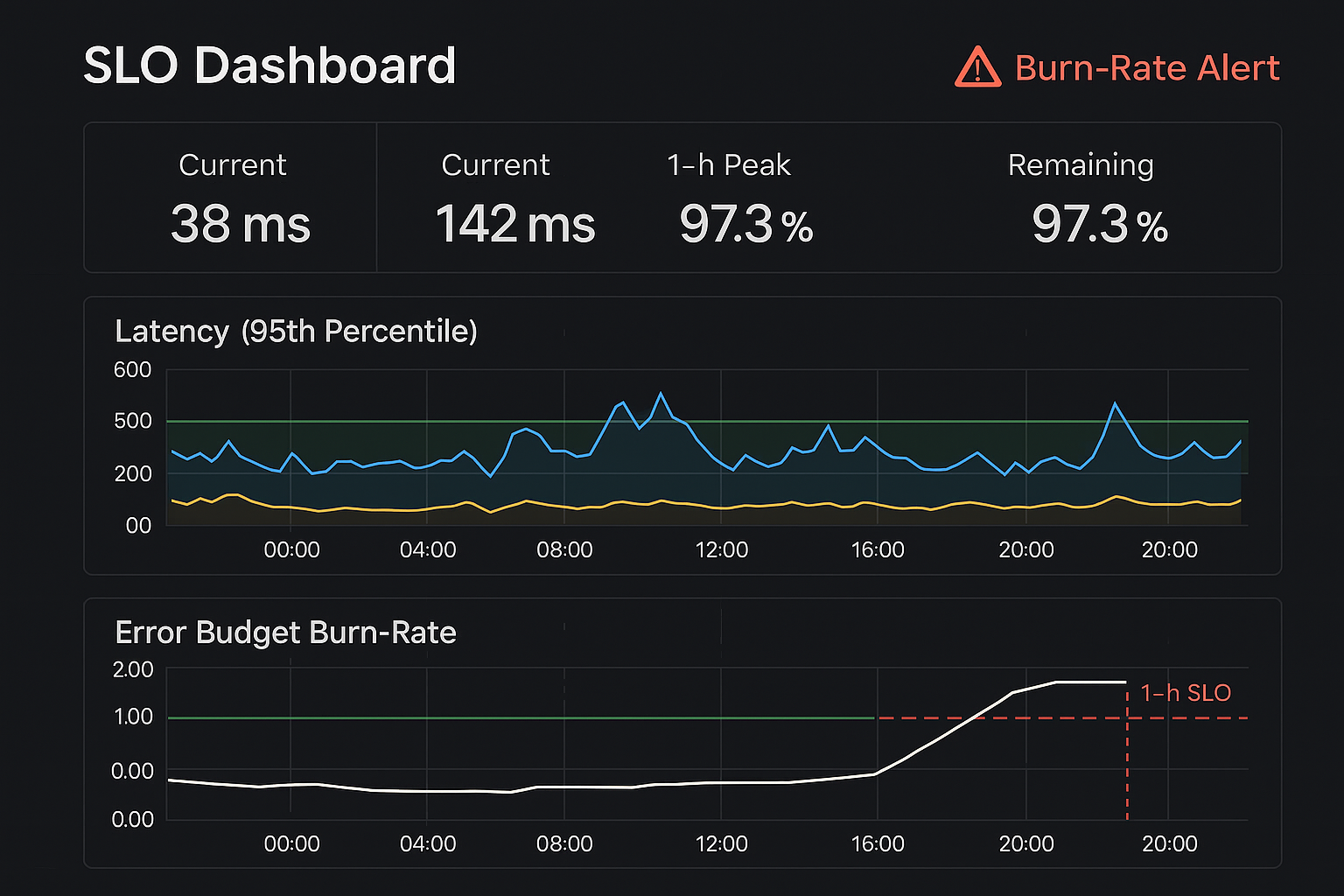
By days seven and eight, observability is front and center: structured logs, key metrics, distributed traces, and service level objectives with burn-rate alerts. Day nine is reserved for a cost review, applying autoscaling, right-sizing compute resources, and optimizing storage classes. Finally, day ten is about testing resilience through chaos experiments, running a small canary release, and completing a go-live checklist.
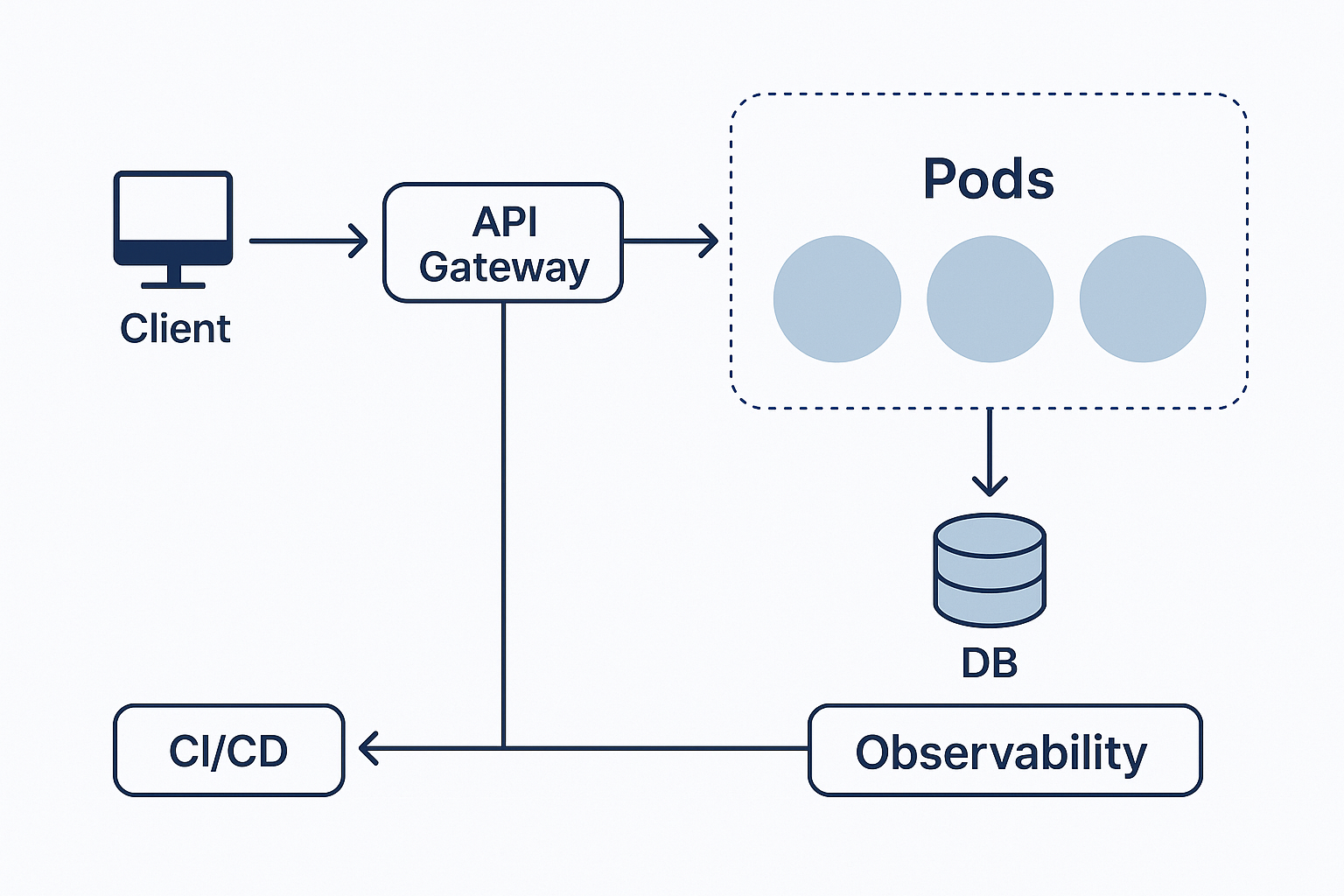
Our reference stack includes Kubernetes with Horizontal Pod Autoscaling, an API gateway with JWT authentication and per-route quotas, PostgreSQL with efficient connection pooling, and full observability through OpenTelemetry with Grafana, Tempo, and Prometheus. The outcome is a service that sustains 99.9 percent availability, holds p95 latency under 180 milliseconds, and saves more than 20 percent on monthly costs through right-sizing. The lesson: production isn’t a mystery, it’s a checklist—and when you follow it, rollbacks become boring and uptime becomes predictable.